
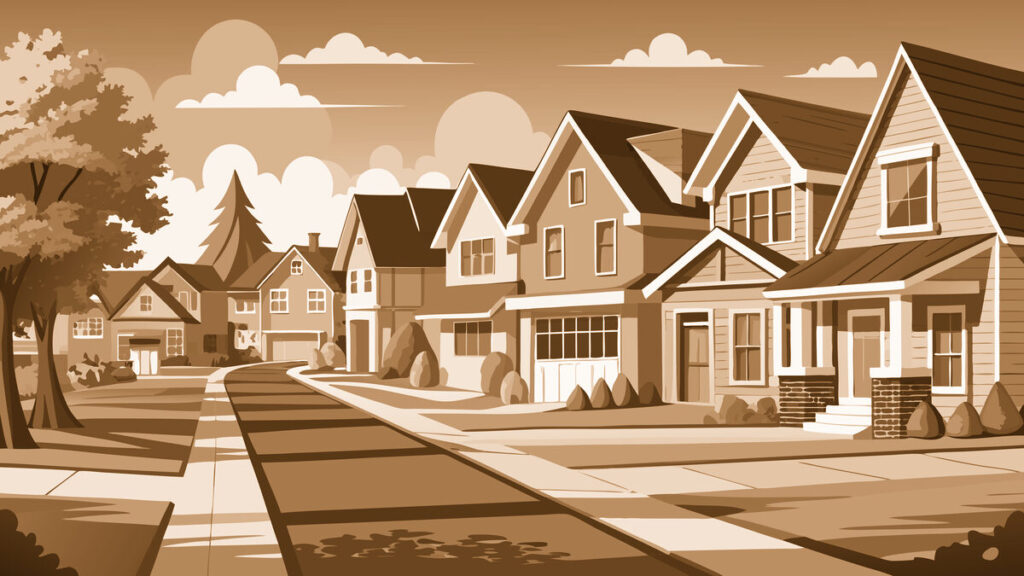
Nestled along the glittering ridge where Oakland and Berkeley brush shoulders, Claremont Hills stands as one of the East Bay’s most treasured neighborhoods. Its winding streets, lush parks, and storied homes are more than just picturesque—they’re a living homage to more than a century’s worth of visionaries, risk-takers, and everyday people who helped shape this unique enclave. Whether you’re strolling along Claremont Avenue or catching breathtaking views from the hills, the layers of heritage in Claremont Hills are truly unforgettable.
The Early Days: From Forested Slopes to Residential Dream
Before any streets or hillside estates graced the landscape, what is now Claremont Hills was dense with oaks, redwoods, and the seasonal creeks that would later become touchstones for local explorers. Long before the railroad or the highway, these hills were home to the Ohlone people, whose deep respect for the land is echoed today in the neighborhood’s protected green spaces.
As the 19th century drew to a close, the Gold Rush brought waves of settlers pushing the boundaries of Oakland further east. By the 1870s, land speculators, such as the visionary Grant Taggart and his contemporaries, began plotting grand residential neighborhoods in these untamed hills, seeing their potential as a healthy, serene reprieve from the bustling Bay shoreline.
How Claremont Got Its Name
The name “Claremont” is thought to have been coined in the late 1800s by real estate developers aiming to evoke the sense of clear mountain air and panoramic bay views. As the story goes, “Claremont” combined “clear” and “mont” (French for mountain), highlighting the hilltop vistas that remain an irresistible draw.
This neighborhood’s destiny changed forever in 1905, when the grand Claremont Hotel was completed at the foot of the hills, immediately establishing the area as an upscale destination. The hotel’s gleaming white façade became a beacon, and its presence influenced the development patterns surrounding Tunnel Road (now Highway 13), Alvarado Road, and Grizzly Peak Boulevard.
Key Historical Milestones
- The Construction of the Claremont Hotel (1905): The iconic Claremont Hotel (now the Fairmont Claremont Club & Spa) quickly became a gathering spot for dignitaries and celebrities, cementing the neighborhood’s reputation for sophistication and hospitality.
- The Opening of the Key Route (1903): The Key Route streetcar line provided a direct connection from San Francisco ferries to the Claremont Hotel, making the hills more accessible. Its tracks ran along Claremont Avenue, spurring residential development along the route.
- The 1923 Berkeley Fire: A significant event in local lore, this devastating wildfire swept across the hills, destroying hundreds of homes near what is now Alvarado Road and Tunnel Road. Out of the ashes, residents rebuilt with even more determination, giving rise to the early 20th-century architectural styles still visible today.
- Postwar Development: After World War II, Claremont Hills saw a surge in new homes, many perched on steep slopes and designed to maximize those million-dollar views. The postwar boom led to the expansion of streets like Vicente Road, Charing Cross Road, and Stonewall Road, creating the leafy, residential enclave beloved by today’s families.
Notable Landmarks and Institutions
- The Claremont Hotel Club & Spa: Still perched at the base of the hills, this grand resort remains a symbol of the neighborhood’s allure. The hotel’s terrazzo stairs and historic map room whisper stories of old Bay Area luminaries.
- Claremont Canyon Regional Preserve: Spanning more than 200 acres, this open-space wonder includes the upper reaches of the hills down to Claremont Avenue. Hikers and dog-walkers alike love the Stonewall Panoramic Trail, which provides stunning views over both Oakland and Berkeley, especially at sunset.
- The Berkeley Tennis Club and Berkeley Country Club: These elegant institutions just over the border in adjacent Berkeley have always drawn Claremont Hills residents for recreation and community spirit.
- John Garber Park: Tucked off Claremont Avenue, this playground—named for an early 20th-century district supervisor—remains a beloved neighborhood gathering spot, filled with laughter on sunny afternoons.
- Historic Architecture: The hills brim with architectural gems, from stately Edwardians on Alvarado Place to sleek mid-century moderns on Grizzly Peak Boulevard. Several homes by renowned architects, such as Julia Morgan and Bernard Maybeck, can be found throughout the hills, further enhancing the area’s prestige.
A Neighborhood Always Evolving
Despite its deep ties to history, Claremont Hills is a neighborhood that continues to reinvent itself. Recent decades have brought new growth, with modern homes filling in lots once left empty after the 1991 Oakland Firestorm, another chapter in the area’s resilience. Recovery brought neighbors together and ignited an enduring spirit of stewardship, particularly on winding roads like Roanoke Road and Radio Tower Road.
Today, the close-knit character of Claremont Hills remains as strong as ever. Residents greet each other on daily walks past Mediterranean gardens, children cycle along hillsides, and friends linger at annual block parties on Charing Cross Road or Grizzly Peak Boulevard. The community is united in protecting the area’s wild, wooded beauty, from organizing brush-clearance days to planting native wildflowers in Claremont Canyon.
Why Claremont Hills Feels Like Home
Ask any longtime resident, and you’ll hear similar stories of why Claremont Hills is so cherished:
- The incredible views—from patches of fog rolling in over the bay to sparkling city lights at night.
- The blend of urban convenience and nature—the proximity to Rockridge, Elmwood, and the gourmet clusters of College Avenue, plus trails right out your door.
- The sense of living within history—where every street and lane has a story to tell, and every generation adds a new chapter.
Today, Claremont Hills stands as a testament to Oakland’s enduring spirit: diverse, resilient, and endlessly captivating. Whether you’re marveling at century-old homes or hiking a wildflower-strewn trail in the Claremont Canyon Preserve, it’s easy to see why so many people are proud to call this hillside haven home.